
How to Choose the Right Car Insurance Deductible and Coverages
August 12, 2026
When buying a car insurance policy, select the car insurance deductible and coverage types carefully to ensure you have the protection you need.
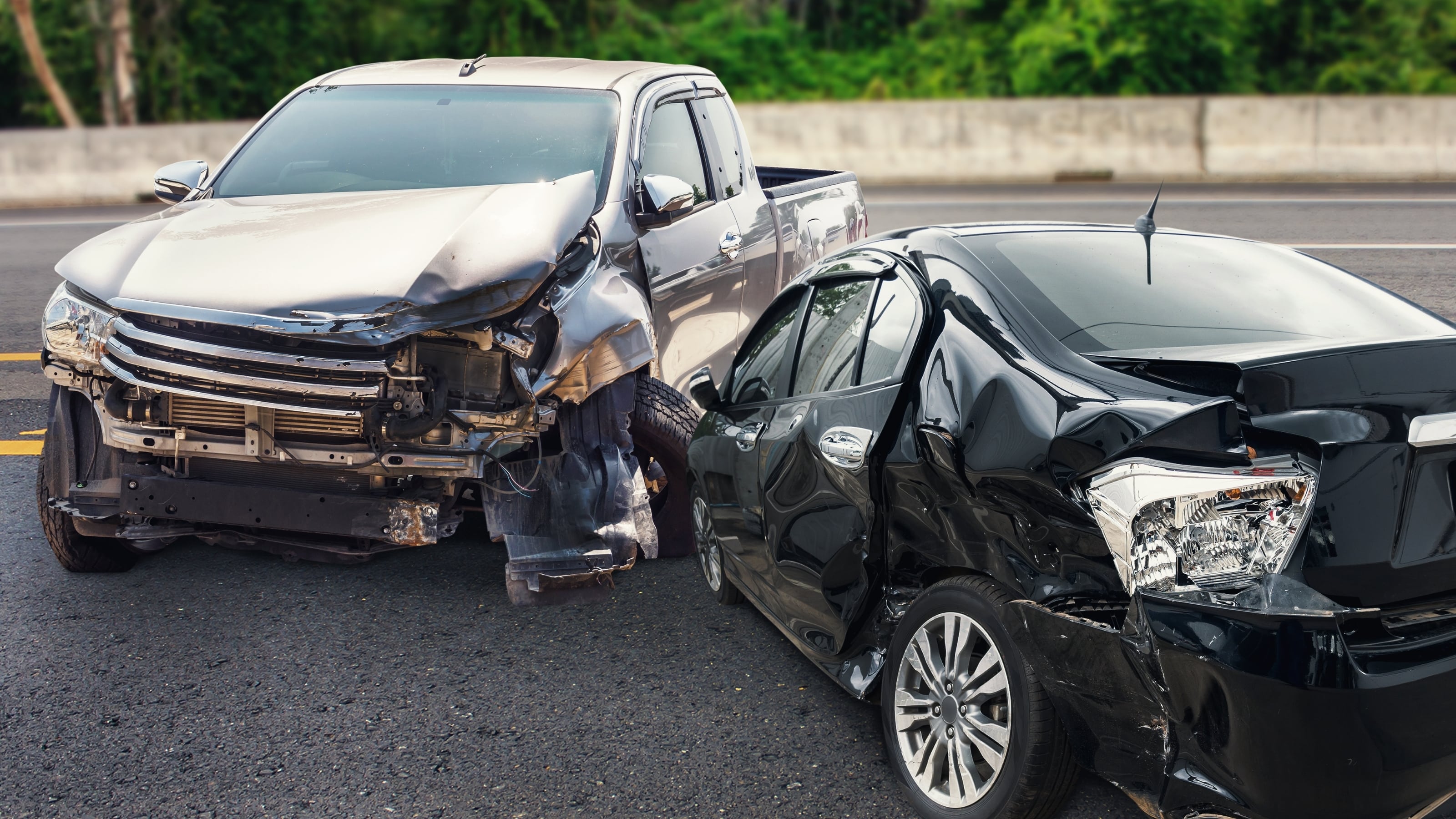
Choosing the cheapest car insurance policy can save money today, but it could cost you much more after a crash or other loss. Your deductible and the coverages you choose help determine how much you’ll pay out of pocket and how much your insurer may pay. Focusing on price alone could leave you without the protection you need when it matters most.
Your Premium Isn’t the Only Factor to Consider
Your car insurance premium is important. If you can’t afford to maintain your policy, you might let it lapse, and that leaves you with no coverage. Even if you maintain coverage, an expensive premium can be a drain on your finances, diverting funds from other priorities.
However, the premium is not the only factor that deserves attention. If all car insurance policies were the same, buying the cheapest car insurance coverage would make sense, but car insurance policies are not all the same. Some provide robust coverage. Others only offer minimal coverage. Many lie somewhere in between.
Choosing Your Car Insurance Deductible
Your car insurance deductible determines how much you’ll pay out of pocket if you have a claim. The deductible does not apply to liability claims, but it does apply to claims involving damage to your own vehicle.
Selecting a high deductible is one of the easiest ways to lower your car insurance premium. This makes a high deductible very tempting to anyone looking for low-cost auto insurance. However, choosing a high deductible means you have to be ready to pay that deductible in the event of a loss.
Consider a policy with a high deductible of $1,000.
- If you don’t have any claims, you don’t have to pay the deductible. You’ll save money thanks to your reduced premium cost.
- If you have a minor claim for damage worth less than $1,000, your policy will not provide coverage because the loss is less than the deductible.
- If you have a bigger claim for damage worth more than $1,000, you will pay $1,000, and the policy will cover the rest, up to your policy limit and per the terms of your policy.
- If you have multiple claims, you will need to pay the deductible multiple times. This can add up quickly.
If a high deductible would be a hardship for you, choosing a policy with a lower deductible may be in your best interest.
Choosing the Right Coverage Types
A single car insurance policy typically includes multiple coverage types. Think of your policy like a cafeteria meal.
- You purchase various entrees, sides and drinks. These are like the different auto insurance coverage types you purchase.
- All the items together make up your lunch. This is like your auto policy.
- If you purchase more items, or more expensive items, your lunch will be more expensive. Likewise, the cost of your auto insurance policy will depend in part on the coverage types you select.
Hawaii law sets the minimum requirements for auto insurance. In Hawaii, drivers are required to maintain the following coverage types and minimum limits as of January 1, 2026:
- $40,000 bodily injury liability per person
- $80,000 bodily injury liability per accident
- $20,000 property damage liability per accident
- $10,000 personal injury protection
These minimum requirements are a starting point. You may want to add more coverage to meet your contractual obligations and protect your assets. Consider adding:
- Comprehensive and collision coverages. Lenders typically require these coverages when you finance a vehicle. Even if you own your vehicle outright, consider whether you could afford to repair or replace it after a covered loss. Collision coverage generally helps pay for damage from a collision, while comprehensive coverage generally applies to covered losses such as theft, vandalism and certain weather-related damage, subject to the terms, limits and deductibles of your policy.
- Uninsured/underinsured motorist coverages. If you are injured in a collision, your medical costs may exceed the $40,000 minimum bodily injury liability coverage. Even worse, the driver who caused the crash may not have insurance at all. Uninsured and underinsured motorist coverages provide protection.
- Higher limits. If you cause a crash and the losses exceed your limits, you could be sued for the difference. Higher liability limits can help protect your savings and other assets.
- Umbrella insurance. This is a separate policy that provides additional coverage for all underlying policies, which typically include home and auto.
Choosing the right car insurance policy involves more than comparing prices. An agent can help you understand your options. Find an agent.