
What Is Loss of Use Insurance? How It Helps When Your Home Becomes Unlivable
July 10, 2026
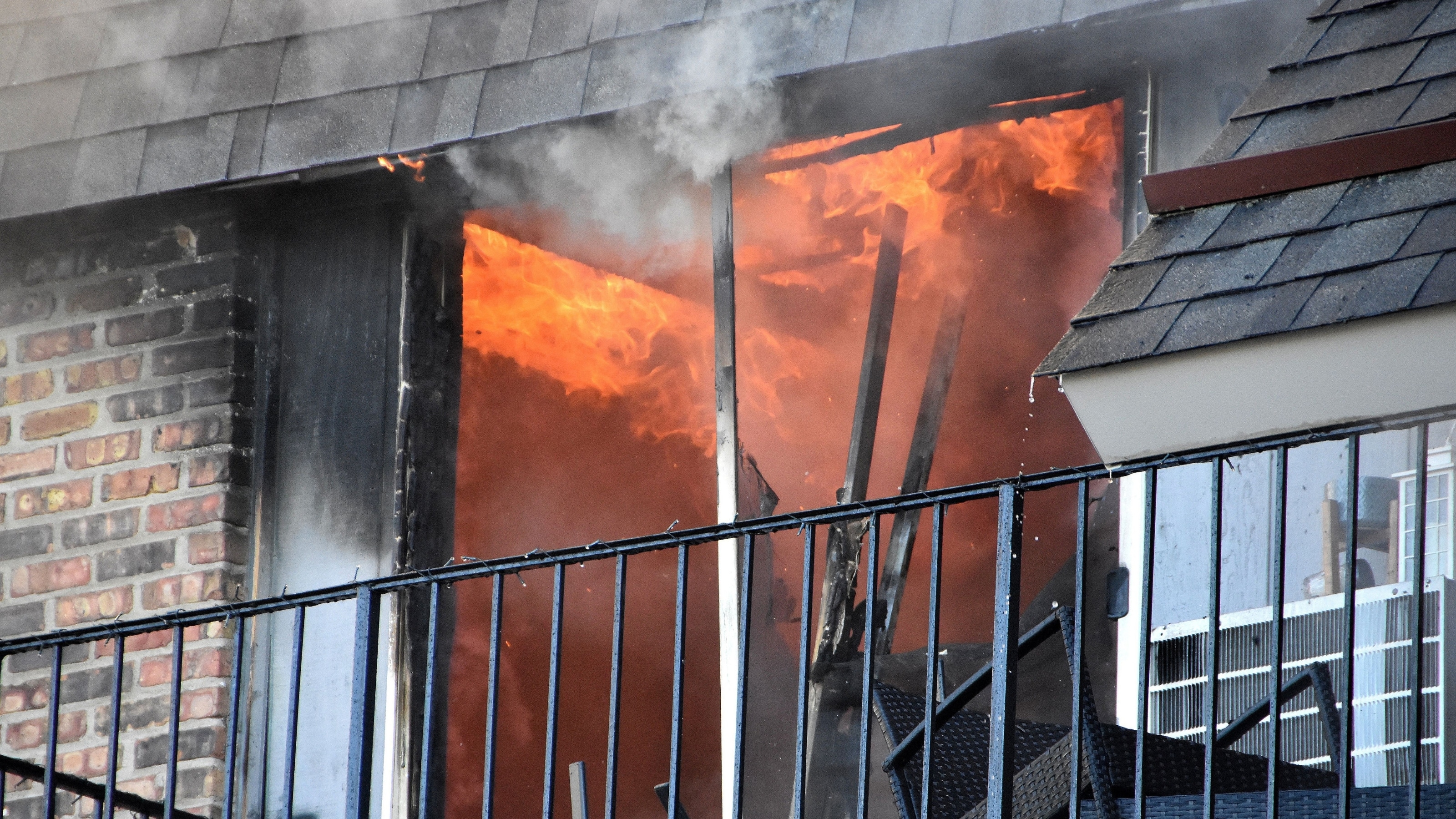
If your home became uninhabitable, what would you do? Before you can start thinking about repairs, you need to take care of necessities like housing, food and other day-to-day costs. Loss of use insurance helps policyholders manage these extra expenses.
What Is Loss of Use Insurance Coverage?
Loss of use coverage, also called additional living expenses coverage, is included in standard homeowners and renters insurance policies.
If your home is rendered uninhabitable due to a covered peril, the loss of use provision provides coverage for certain additional costs incurred as a result, such as hotel stays, pet boarding, storage and excess food costs.
Coverage works on a reimbursement basis. This means you have to pay the costs up front and then submit the claim to your insurer for reimbursement. Make sure you keep all your receipts so you can get the compensation you’re owed.
When Does Loss of Use Coverage Apply?
Loss of use coverage applies if your home is uninhabitable due to a covered loss. For example, a standard homeowners insurance policy covers fire, so if you can’t stay in your home because of a fire, your loss of use coverage should also kick in. Coverage is also typically available for mandatory evacuations related to a covered peril, so if the government orders you to evacuate because of a wildfire in the area, you should have loss of use coverage.
However, standard homeowners insurance does not cover pest infestations. If you have to stay in a hotel while your house is treated for termites, your policy will not cover the costs of pest control or your additional living expenses.
Standard homeowners policies also exclude flood and hurricane-force wind damage, both of which can be obtained through a separate policy. This means your homeowners insurance policy won’t provide loss of use coverage tied to flooding or hurricane-force wind damage.
However, if you have a separate hurricane policy, it may provide loss of use coverage, depending on the policy terms. The National Flood Insurance Program (NFIP) does not provide loss of use coverage, but private flood insurance policies might.
What Are Loss of Use Coverage Limits?
Limits for loss of use coverage can work in one of two ways:
- Dollar limits. Most policies cap loss of use coverage at a percentage of your policy’s dwelling coverage limit. For example, if your home is covered for $300,000, and your loss of use coverage is capped at 30% of this, you’ll have a limit of up to $90,000 in covered additional living expenses. You’re reimbursed only for eligible expenses you actually incur during a covered claim; not the full $90,000 automatically.
- Time limits. Some policies also include a time limit. For example, if your policy provides coverage for up to 24 months, it won’t pay covered additional living expenses after that period ends, even if you haven’t reached your dollar limit.
Is Your Loss of Use Coverage Sufficient?
Home repairs can drag on for months. After a widespread disaster, repairs may take even longer due to increased demand for contractors and building materials. Loss of use coverage provides a critical safety net while you wait to return home.
If you’re worried about the aftermath of a disaster, check your policy and decide whether your coverage is adequate to meet your expected needs. If it’s not, consider supplementing your coverage.
For help reviewing your coverage needs, find an agent.